


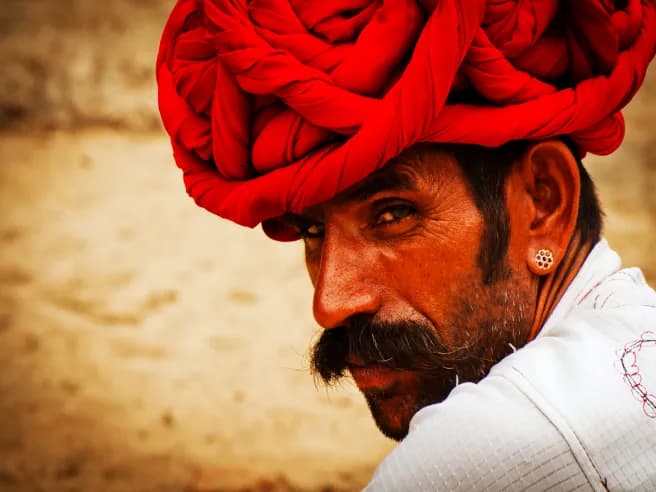
Every First-Timer Goes to the Taj Mahal.
Almost Nobody Finds Tordi Garh.
This Tour Gives You Both.
Is 7 Days in India Actually Worth It?
The Taj Mahal at Sunrise Will Answer That Forever.
Most people spend months worrying about India before they go. Too big. Too chaotic. Too much to see in one trip. And then they arrive — and somewhere between the first rickshaw ride through Old Delhi and the last cup of chai at the top of a 400-year-old fort in Rajasthan — the worry disappears completely and is replaced by something else entirely. The only regret most first-time visitors carry home is that they did not go sooner.
Seven days is not a compromise. Done right, seven focused days gives you more real experience of India — more texture, more memory, more genuine understanding — than a rushed three-week tour that tries to cover everything and lands nowhere deeply. India's official tourism board receives millions of first-time international visitors every year, and the ones who come back most consistently are those who went deep into a few places rather than wide across many.
This particular seven days does something almost no other first-timer itinerary attempts. It gives you the Golden Triangle — Delhi, Jaipur, Agra — done properly and without rushing. And then it takes one detour that most travellers drive straight past without ever knowing it exists. That detour is called Tordi Garh. And it is, quietly, the moment that defines the entire trip.
Fully Private
Delhi to Agra
All Inclusive
Why Most People Get India Wrong Before They Even Arrive
The biggest mistake first-timers make is not about what they do in India — it is about how they think about it before they go
The standard advice about India is well-meaning and almost entirely wrong. People will tell you that you need months, that one trip cannot possibly scratch the surface, that you will come back overwhelmed. Some of this is true. India is vast. India is layered. India has been accumulating history, culture, architecture and civilisation for five thousand years and there is genuinely no end to it.
But here is what that advice misses: the most powerful travel experiences are almost never about covering the most ground. They are about going deep enough in a place that it becomes real to you. And seven days — the right seven days, in the right places, with the right guidance — can make India real to you in a way that a rushed three-week overview never will.
"The Taj is why you book. Tordi Garh is why you remember. Seven days gives you both — and enough time in each place to actually feel it."
TTI Editorial · India Travel Guide 2026The Golden Triangle — Delhi, Jaipur, Agra — exists as an itinerary for good reason. These three cities contain more extraordinary history, architecture and culture per square kilometre than almost anywhere else on earth. The problem is not the route. The problem is how most tours run it: too fast, too surface-level, too much time on a coach and not enough time standing still somewhere extraordinary.
This itinerary runs the same geography — and then breaks from it at exactly the right moment, turning off the highway into a village that has been there for centuries and happens, generously, to let you in.
Tordi Garh — The Village That Changes Everything
Between Delhi and Jaipur, the itinerary turns off the highway into rural Rajasthan — and the entire trip changes character
There is a moment on this journey — and it does not come at the Taj Mahal, and it does not come at Amber Fort — that catches most travellers completely off guard. It comes somewhere in Tordi Garh, a heritage village in rural Rajasthan, when India stops performing for you and simply is.
Tordi Garh is not a resort pretending to be a village. It is an 18th-century heritage fort stay set inside a real, working community — dunes, stepwells, Aravalli hills — where the daily rhythms have not changed in generations. Most travellers on a Golden Triangle tour drive straight past it on the highway without ever knowing it exists. This itinerary stops there for a night and a morning, and that decision is what separates it from every other seven-day India tour on the market.
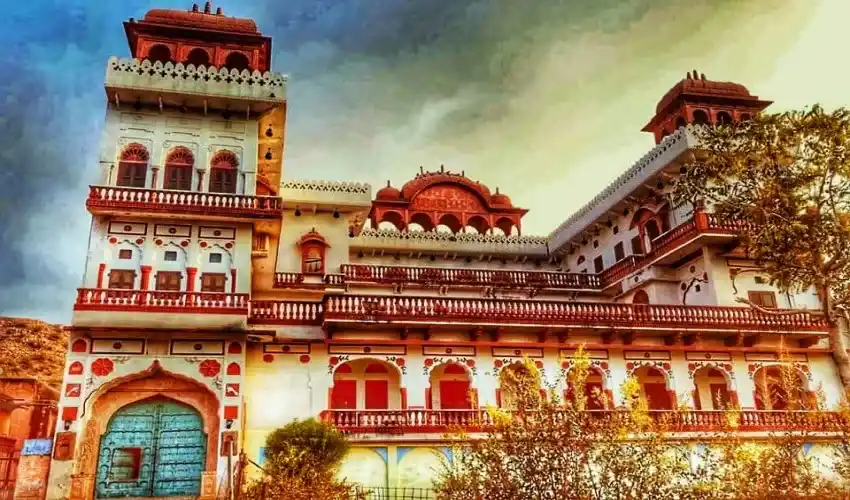
The afternoon you arrive, a jeep safari takes you into the surrounding countryside — stopping at a 300-year-old stepwell carved into the earth that has no entrance fee, no queue and no management. It is simply there, as it has been for three centuries. Descend the steps to the water level and look up: the geometry of the stonework above you, framing a rectangle of sky at the top, is one of the finest spaces you will stand in on this entire tour.
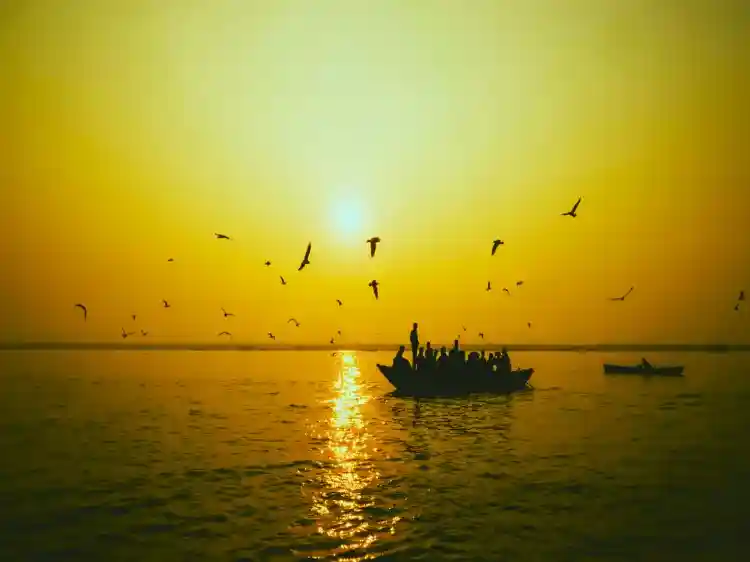
The safari continues to a shepherd community whose daily rhythms have not changed across generations, and to an organic farm where the evening ends at the Tordi Sagar Dam — tea and biscuits served at the water's edge as the Rajasthan sky turns orange and then dark. The night sky over the desert, without a single city light in any direction, is something no itinerary can fully prepare you for.
Early morning: Sunrise hike to Tordi Fort — 400 years old, tea and biscuits at the top, views across the Rajasthan countryside as the light arrives.
After breakfast: Guided 2–3 hour village walk through the lanes of Tordi Garh — rural Rajasthan at its own pace, without the performance.
Stay: Heritage Deluxe — the fort itself, with organic meals and traditional Rajasthani hospitality.
The morning begins before sunrise with the hike to Tordi Fort — a 400-year-old hilltop fort that looks out across the Rajasthan countryside as the first light arrives. Tea and biscuits at the top. The village below just waking up. After breakfast, a guided walk through the lanes of Tordi Garh — not a tourist performance, but a community that has been here far longer than any tourist route, moving at its own pace and letting you walk through it.
On the village walk, let your guide set the pace — not the other way around. The most interesting moments come from stopping without a reason: a courtyard seen through an open door, a woman rolling dough on a stone threshold, a child who follows the group for ten minutes before disappearing. These are the details that do not appear on any highlight reel — but they are what guests describe when they get home.
Delhi · Tordi Garh · Jaipur · Agra — Day by Day
A full itinerary breakdown — what you see, what you feel, and why each stop earns its place
7-Day Itinerary at a Glance
The Taj Mahal at 6am — 45 Minutes of Pink Marble and No Crowds
Everything on this tour builds toward this one morning — and it delivers every single time
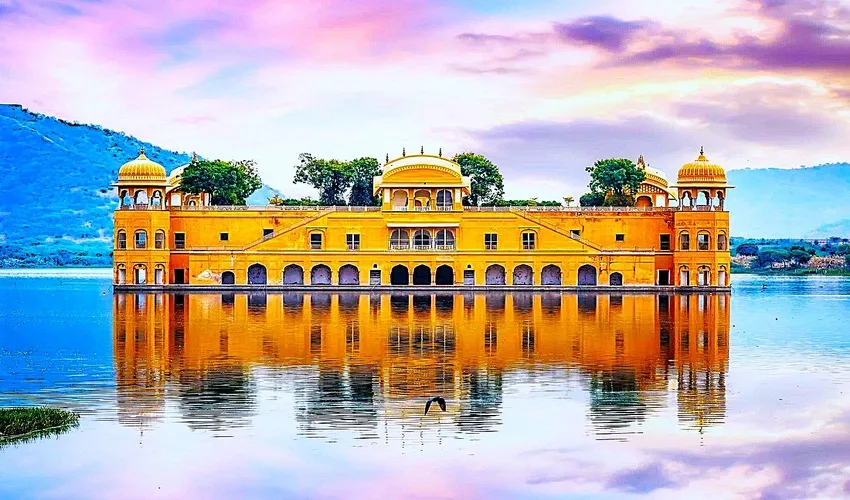
There is nothing to add to what has already been written about the Taj Mahal. It is, by any measure, one of the most extraordinary things human hands have ever built — 22 years, 20,000 workers, a grief made permanent in white marble by an emperor who lost his wife in childbirth and spent the remainder of his life building her a tomb that would outlast everything else.
But there is one thing that photographs do not prepare you for: the white marble turns soft pink in the first light of dawn for approximately 45 minutes before the sun rises fully and the colour disappears. The crowds arrive after 7am. What happens in those 45 minutes — the light, the silence, the scale of what was built here as an act of grief — is the moment every first-time visitor to India carries home above everything else on the trip.
"Put the phone down for ten seconds first. Just look at it. The Taj Mahal deserves ten seconds of just looking — before the photographs begin."
TTI Guide Insider Note · AgraThis tour arrives at the Taj Mahal before 6am. Every time. That is not incidental — it is the whole point. After the Taj, Agra Fort: the red sandstone fortress where Shah Jahan spent his final years under house arrest, looking out across the Yamuna River at the tomb he had built. The historical weight of that view is something a guide can make real for you in a way no amount of reading can prepare you for.
Closed every Friday — TTI builds your itinerary around this. Your visit always falls on a permitted day.
Crowds arrive after 7am — the difference between 6am and 8am is extraordinary. This tour gives you the 6am version, every time.
Entrance fees excluded from tour price but fully managed by your guide on the day.
Everything You Need to Know — Practical Details for First-Timers
Visa, best time to visit, what is included, activity level — all the questions first-timers actually ask
🗓️ Best Time to Visit India — When to Go
October to March is the peak season — cool, clear weather across Delhi, Rajasthan and Agra. The Taj Mahal in winter morning light is exceptional. Jaipur and Tordi Garh are at their most comfortable. Book early for this window — heritage hotel availability is limited.
April to June is hot across Rajasthan but manageable with early morning starts. Prices are lower and monuments are significantly less crowded. July to September is monsoon season: green, dramatic and atmospheric, though some outdoor activities at Tordi Garh are affected by rain.
Most nationalities — including UK, US, EU, Australia and Canada — can apply for an Indian e-Visa online before travel. The official India e-Visa portal processes applications within 3 to 5 business days. Apply at least two weeks before travel to be comfortable. TTI can advise on requirements for your specific nationality when you enquire.
Not included: International flights · Monument entrance fees · India visa · Lunches and dinners · Personal expenses.
Activity level: Easy to moderate. No trekking required. The Tordi Fort sunrise hike is 1–2 km on a gradual incline. Guides adjust pace to the group every single day.
🌅 Ready to Do India Right the First Time?
This is a fully private tour — your own vehicle, your own guide, your own pace. No group coach, no strangers, no fixed schedule that ignores what you actually want to linger on. Seven days built specifically for first-time visitors who want the Taj Mahal at sunrise and the Rajasthan village that nobody told them about.
Full itinerary, day-by-day details, hotels and booking: Quick India Tour for First-Timers — 7 Days with Taj Mahal Sunrise →
Trusted by travellers worldwide — read TTI guest reviews on TripAdvisor before you book.
The Taj Is Why You Book. Tordi Garh Is Why You Remember.
Every first-time visitor to India carries home a version of the same story. There was the moment they expected — standing in front of the Taj Mahal, pink marble, early light, no crowds — and then there was the moment they did not expect. For the travellers who have done this particular seven days, that unexpected moment almost always happens in Tordi Garh.
A 300-year-old stepwell in the middle of the Rajasthan countryside with nobody managing the experience. Tea at the top of a 400-year-old fort as the sun rises over the desert. A village walk at the pace of a community that has been there for centuries. These are not things you find on the standard Golden Triangle tour. They are the things that make India real — not a destination you visit, but a place you begin to understand.
Seven days. Done right. That is what this tour is. The Taj at sunrise is the moment you will show everyone. Tordi Garh is the moment you will carry quietly, for a long time, entirely for yourself.
Book Your First India Tour — Get a Quote in 1 Hour
Fully private · 7 Days · Delhi · Tordi Garh · Jaipur · Agra · Taj Mahal at Sunrise
Heritage hotels throughout · Train journey included · From US$650 per person
⚡ TTI Tours India — Private Guided Tours Since 1999
💬 WhatsApp Us — Free Quote in 1 Hour








Leave A Comment